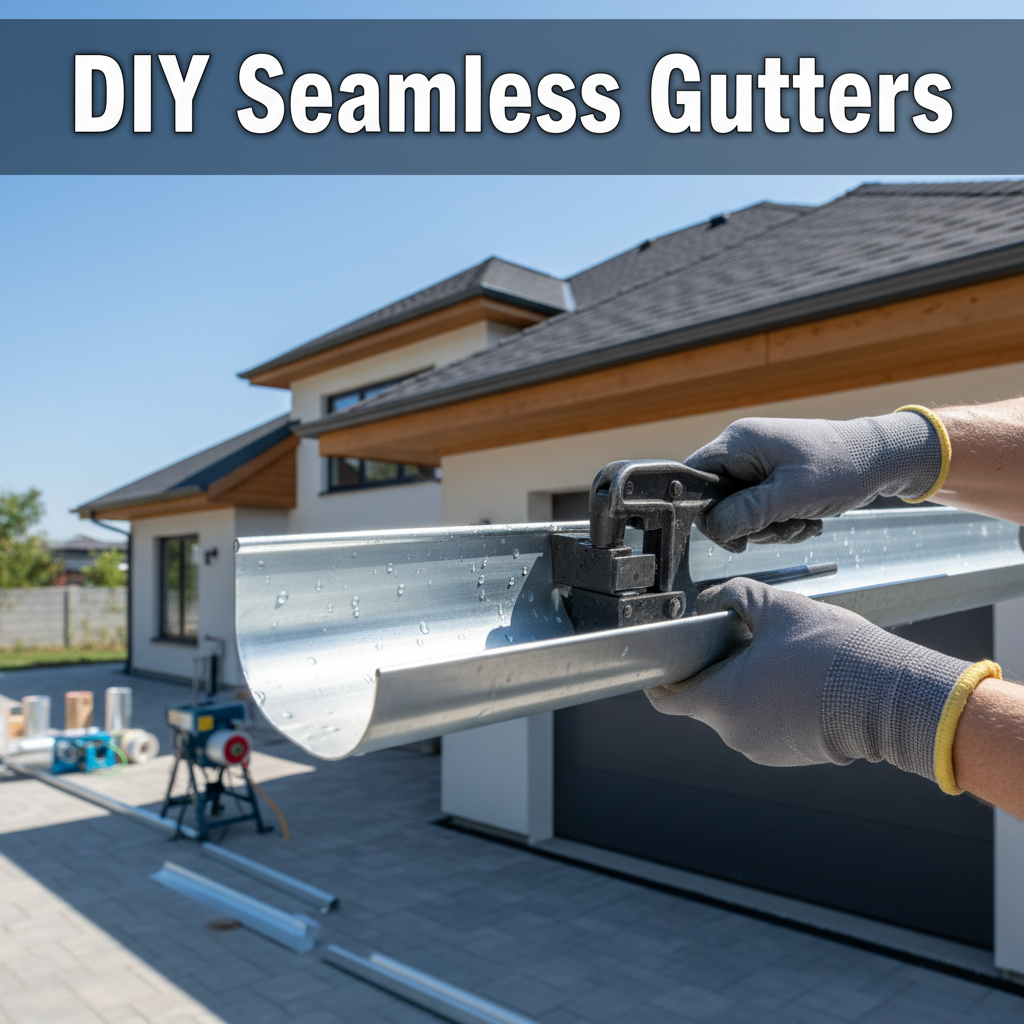
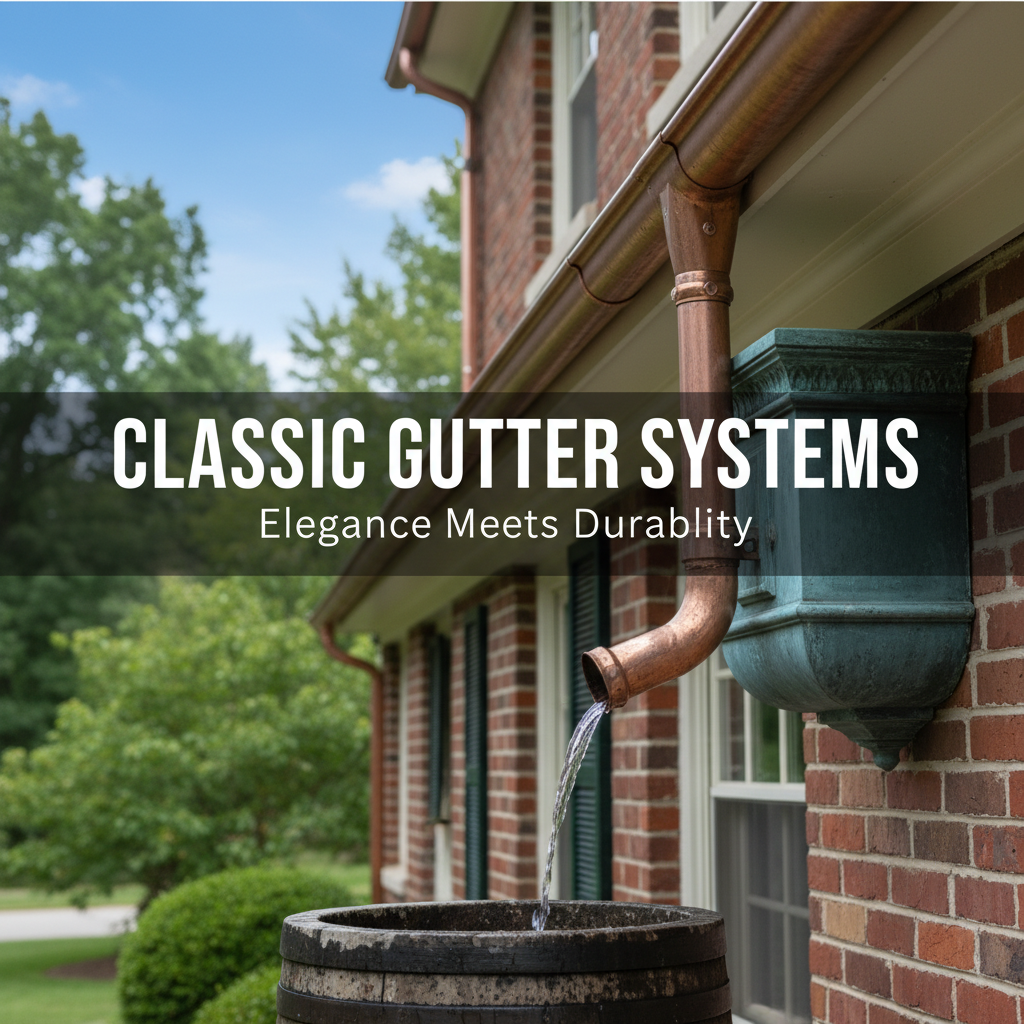
Replaced my gutters three years ago. Went with copper because I liked the look. Still like the look. My wallet still hasn’t forgiven me.
Material Options
Three materials dominate traditional gutter installations. Each has fans and critics, and honestly each has legitimate uses.
Copper – Beautiful from day one. Develops that green patina over decades that makes old buildings look distinguished. Lasts 50+ years with zero maintenance. Costs accordingly.
Steel – Strong enough for heavy snow and ice. Galvanized versions resist rust reasonably well. Needs paint eventually. Good choice where weather gets serious.
Zinc – Sort of the middle ground. Long-lasting, develops patina similar to copper, less expensive than copper. Not stocked at big box stores so finding an installer takes more effort.
Gutter Styles
Two profiles make up most residential installations. Your house style usually suggests which direction to go.
K-Style – Named for the shape when you look at the end. Flat bottom handles more water volume. The decorative front mimics crown molding. Matches most contemporary and colonial houses.
Half-Round – Exactly what it sounds like. The semi-circular profile sheds water efficiently and clogs less often. Looks right on older homes, craftsman styles, anything historic.
Getting the Installation Right
Gutters fail when installation cuts corners. Three things matter most.
Pitch – Water needs to flow toward downspouts. Quarter inch drop every ten feet minimum. Too flat and water sits. Sitting water means mosquitoes, ice damage, early failure.
Downspout placement – Every 20 to 30 feet of run needs a downspout. Corners work well for placement. Not enough downspouts means overflow during heavy rain.
Hangers and brackets – Space them every 24 to 36 inches max. Less in snow country. Gutters full of ice and snow are surprisingly heavy. Seen plenty pull right off the fascia.
Maintenance Reality
Clean them twice a year. More if you have overhanging trees. I know you don’t want to climb that ladder. Neither do I. But clogged gutters cause basement water problems that cost thousands.
Inspect while you’re up there. Look for rust spots, loose hangers, separated joints. Small leaks become big leaks. Gutter sealant fixes minor issues before they grow.
Wear gloves. Whatever is in there has been decomposing for months. It’s not pleasant.
Worth the Investment
Quality gutters protect your foundation, prevent basement flooding, keep water away from doors and windows. The alternative is erosion, mold, and expensive repairs.
They also look better than you might expect. Well-chosen gutters complement your house rather than detracting from it. Mine turned out to be worth the investment, even if I occasionally grumble about the price.




Stay in the loop
Get the latest updates delivered to your inbox.