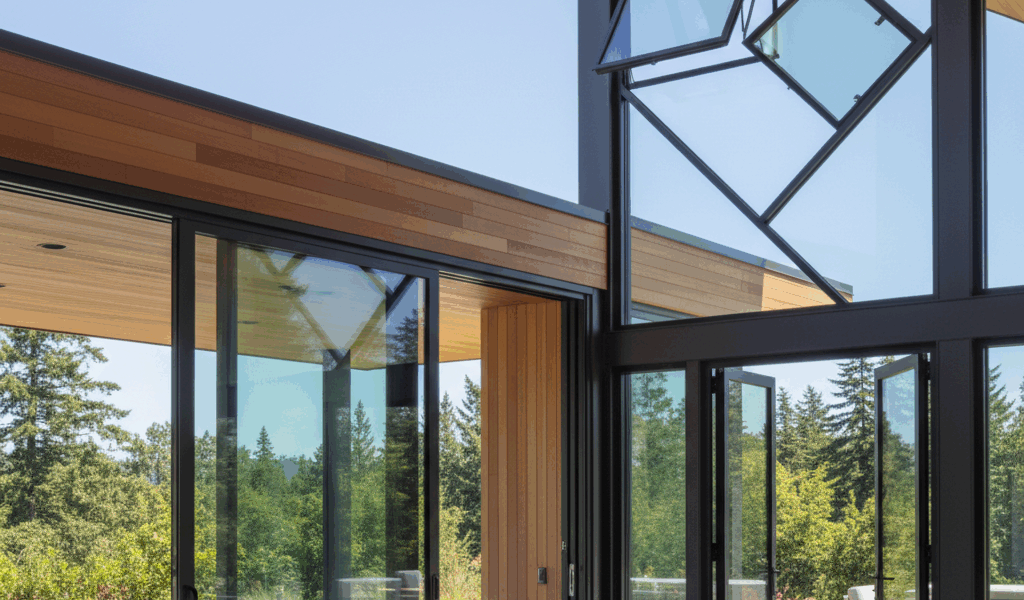
A roof deck adds outdoor living space where you’d otherwise have nothing but shingles. It’s a bigger project than a ground-level deck—you’re building on top of a structure that wasn’t designed for people to hang out on. Here’s what you need to know.
Structural Assessment First
Your roof needs to handle the additional load: the deck structure, furniture, people, planters, maybe a hot tub if you’re ambitious. A standard residential roof isn’t built for this. Get an engineer to assess whether your framing can support it or needs reinforcement.
This isn’t optional. Roofs are designed for their own weight plus snow loads—not for deck parties. Adding significant weight without proper support is how ceilings collapse.
Flat vs. Pitched Roofs
Flat roofs (or low-slope roofs) are the natural candidates. They’re already walkable and just need a proper deck surface and railing system.
Pitched roofs can work with platforms that create level sections, but the complexity and cost increase significantly. You’re essentially building a structure on top of a structure.
Waterproofing
The roof membrane still needs to do its job—keeping water out of your house. Don’t puncture it with screws or compromise the drainage. Deck systems for rooftops typically use pedestals that sit on top of the membrane without penetration, or sleeper systems that float over the existing surface.
Drainage matters even more with a deck covering the surface. Water needs to flow to existing drains without pooling. The deck surface should either have gaps that let water through or slope to direct water off the edges.
Decking Materials
Traditional wood requires maintenance and adds weight. Composite decking is lighter and handles weather better. Pavers on pedestal systems look great and are completely modular—you can lift sections for roof access.
Whatever you choose, make sure it can handle full sun exposure, rain, and freeze-thaw cycles if you’re in a cold climate. Rooftops get more weather extremes than ground level.
Railing and Safety
Building code requires guardrails for any deck more than 30 inches above grade, and rooftops are way more than 30 inches. You’ll need 36-42 inch rails depending on local codes, with openings small enough that a child can’t slip through.
How you anchor rails without penetrating the roof membrane is one of the trickier details. Surface-mounted posts with weighted bases work for some installations. Others require penetrations with careful flashing.
Access
You need a way to get up there. A roof hatch with a ship’s ladder is the minimal approach. A proper staircase from an interior room or exterior walkup is more practical for regular use.
Emergency egress might also be required depending on codes—a secondary way down if the primary access is blocked.
Permits and Codes
This is definitely permit territory. You’re altering the structure and adding occupiable space. Work with your local building department from the start—unpermitted roof decks create huge problems when selling the house.



Stay in the loop
Get the latest updates delivered to your inbox.