Historic homes have turned into a moving target with all the restoration techniques and preservation rules flying around. As someone with extensive experience in historic architecture, I spent real time learning the ins and outs of maintaining timeless dwellings. Today, I will share it all with you.
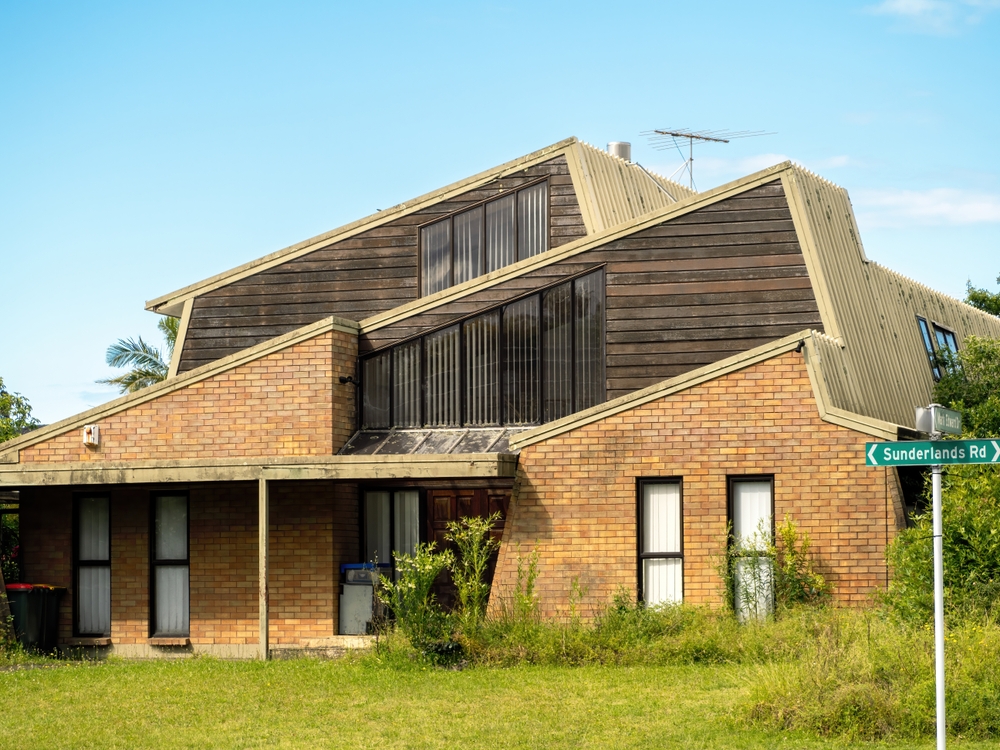
Saltbox roofs. The asymmetrical colonial style. Here’s why they exist.
What Makes It Saltbox
Long slope on back, short on front. Looks like old salt storage containers. Two stories in front, one in back.
Not symmetrical. The rear roof extends almost to ground in original versions.
Why This Design
Additions to existing houses. Start with cape cod. Add lean-to on back. Extend roof down. Saltbox happens.
Later people built them intentionally. The style became deliberate.
Practical Benefits
Extra space on lower level. Storage, kitchen, utility. Covered but not full height.
Wind resistance. Long slope sheds wind. Works well in New England where style originated.
Rain and snow slide off. Steep pitch prevents accumulation on at least one side.
Regional History
New England mostly. 17th and 18th century. Connecticut and Massachusetts especially.
Symbol of Colonial America now. Revival styles copy the look.
Building New
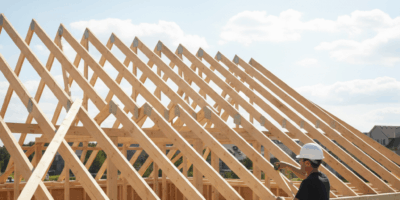
Works fine with modern framing. Roof trusses can be engineered for the angles.
Interior space on upper rear is limited. Low ceiling unless you accept less dramatic roof angle.
Modern Versions
Contemporary saltbox homes exist. Same roofline, modern materials and floor plans.
Variations with steeper angles or reversed slopes. The classic look adapted.


Stay in the loop
Get the latest updates delivered to your inbox.