What Architects Actually Think About Door Choices
The French doors versus sliding glass debate generates passionate opinions among homeowners. But I’ve talked with dozens of architects about this specific choice, and their answers share a common theme: context determines everything.
Neither option is universally better. Both are correct in the right situation. Here’s how architects actually analyze this decision.
The Space Calculation
French doors swing, requiring floor space equal to the door width on one or both sides. A 6-foot French door pair needs 3 feet of clear floor space on the side they open toward. This space can’t contain furniture, rugs, or traffic patterns.
Sliding doors require zero floor clearance. They stack against themselves or into walls. For rooms where every square foot matters—small living rooms, tight dining areas, compact bedrooms—sliding doors preserve usable space.
Architects consistently recommend sliding glass for spaces under 250 square feet. Above that threshold, either option works mechanically.
The Opening Width Factor
Standard French doors provide a maximum 60-72 inch opening. Beyond that, you’re looking at three or four door configurations that become complex and expensive.
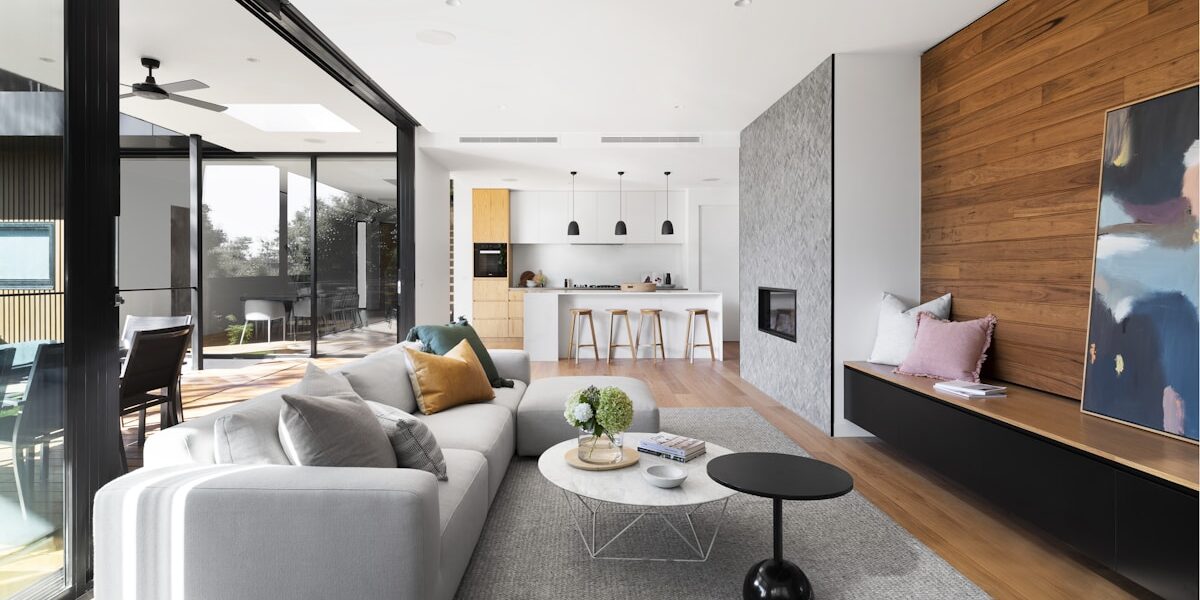
Multi-slide and bi-fold sliding systems can create 20-foot openings that effectively remove the wall between indoor and outdoor spaces. For homes designed around indoor-outdoor living, sliding systems offer capabilities French doors can’t match.
However, for standard patio access—a 6-foot opening—French doors provide the same functional opening width as a comparable sliding door.
The Aesthetic Argument
French doors carry traditional and transitional design language. The hinged operation, the visible hardware, the divided light options—all read as classic architecture. They’re the correct choice for homes built before 1970 and renovations seeking to match period character.
Contemporary sliding systems—particularly frameless or minimal frame designs—align with modern architecture. The emphasis on glass, the hidden hardware, the horizontal motion—all speak a different design language.
Architects I’ve spoken with consider this the deciding factor when space permits either option. Match the door to the home’s design language.
Performance Considerations
High-quality examples of both door types offer comparable energy efficiency and weather resistance. Budget options in both categories leak air and water. The quality difference within each category exceeds the difference between categories.
Sliding doors have fewer sealing surfaces, which can be an advantage or disadvantage depending on manufacturing quality. French doors have more hardware that can fail over time. Neither is inherently superior.
The Verdict
Architects recommend French doors for traditional and transitional homes with adequate floor space, where the door serves as an architectural feature rather than just an opening. They recommend sliding glass for modern homes, space-constrained installations, and any situation requiring openings beyond 6 feet.
Don’t choose based on marketing photos or showroom impressions. Analyze your specific space, your home’s character, and your functional requirements. The right answer for your neighbor’s home might be wrong for yours.