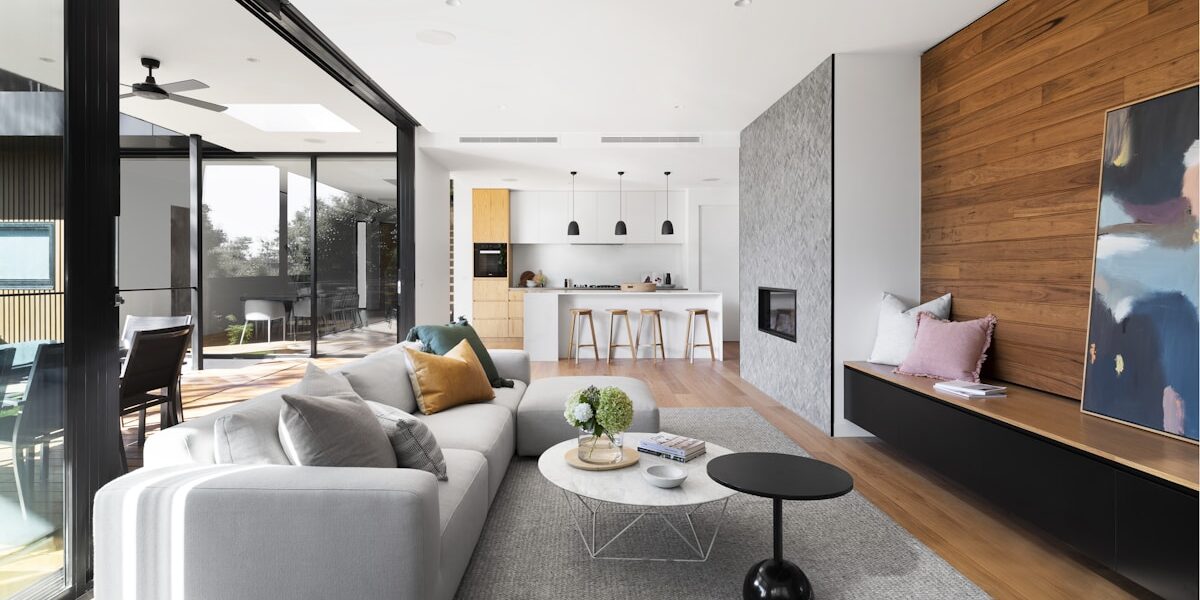
Choosing Baseboards That Match Your Home’s Character
Baseboards seem like an afterthought—just trim covering the gap between wall and floor. But walk into any well-designed room and the baseboards contribute to an overall impression you feel even if you don’t consciously notice. Choose wrong, and something feels off. Choose right, and the room feels complete.
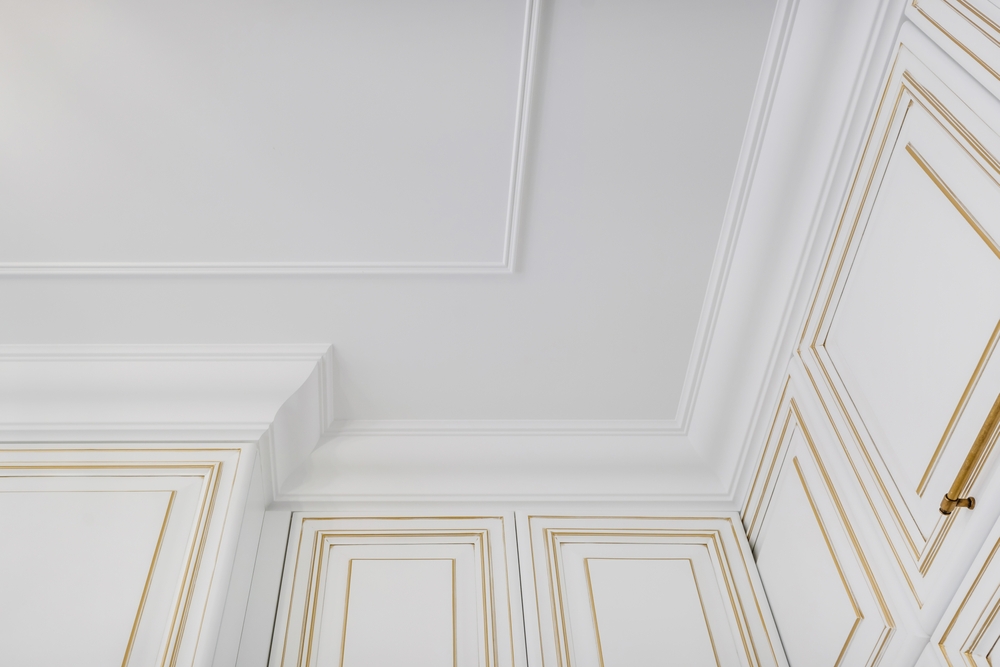
Three styles dominate the market: Shaker, Craftsman, and Modern. Each speaks a specific architectural language.
Shaker Style: The Colonial Foundation
Shaker baseboards feature a simple flat profile, typically 3.5-5 inches tall, with a subtle curved or rounded top edge. There’s no elaborate molding, no complex shapes—just clean, honest woodwork.
This style originated with Shaker furniture makers who valued function over ornament. The philosophy translates directly to trim: if decoration doesn’t serve a purpose, eliminate it.
Shaker baseboards work in Colonial, Federal, Cape Cod, and farmhouse-style homes. They also pair surprisingly well with contemporary interiors where simplicity is valued. The style fails only in homes with elaborate architectural detailing that demands corresponding trim complexity.
Craftsman Style: The Arts and Crafts Statement
Craftsman baseboards are taller—typically 5-7 inches—with a distinctive profile featuring a flat center section topped by a cap molding and often including a separate shoe molding at the floor. The proportions are substantial and grounded.
This style emerged from the Arts and Crafts movement as a reaction against Victorian excess. Craftsman trim is detailed but not fussy, substantial but not overwhelming.
Craftsman baseboards suit bungalows, Prairie-style homes, and any house with wood-heavy interiors. They look particularly strong with stained hardwood floors and built-in cabinetry. They overwhelm small rooms and feel heavy in spaces with low ceilings.
Modern Style: The Clean Line
Modern baseboards reduce the profile to its essence: typically 3-4 inches of flat stock with a square or slightly eased top edge. No curves, no caps, no complexity. Some contemporary installations eliminate baseboards entirely, using shadow gaps or reveal details instead.
This style emerged from mid-century modern design principles that treated trim as visual interruption rather than architectural feature. The goal is invisibility—baseboards that protect the wall-floor junction without calling attention to themselves.
Modern baseboards belong in homes built after 1950 with clean architectural lines. They work with painted finishes (almost never stained) and pair with minimal door and window trim. They feel incomplete in traditional homes where they read as unfinished rather than intentionally simple.
Making the Right Choice
Walk through your home and assess the existing architectural language. Crown molding suggests Shaker or Craftsman depending on its complexity. Wide door casings with header caps suggest Craftsman. Glass walls and open floor plans suggest Modern.
Match your baseboards to this existing language. Consistency creates coherence; mixing styles creates confusion.
If you’re unsure, bring samples home and prop them against your walls. View them from across the room, not close up. The right choice will feel like it belongs. The wrong choice will seem to be trying too hard or not hard enough.
Baseboards are one of the most affordable ways to add architectural character. Choose well, and you’ll never need to change them.