Design trends come and go. Every year brings a new wave of colors, materials, and layouts that magazines declare essential. But the homes that still look beautiful after ten or twenty years share a few common principles that have nothing to do with what’s trending on social media. Here’s what’s holding up in 2026 and why.
Natural Materials Are Winning
Wood, stone, and plaster have been core building materials for centuries, and they’re surging again. Not because they’re trendy, but because people got tired of the hyper-processed look. Engineered everything — artificial stone, laminate floors, composite surfaces — peaked a few years ago. Homeowners are choosing real materials again, even when they cost more upfront.
Solid hardwood floors, natural stone countertops, and real wood cabinetry age gracefully. They develop character over time instead of looking worn out. A marble countertop with a few patina marks tells a story. A laminate surface with a chip just looks broken.
Warm Minimalism Over Cold Minimalism
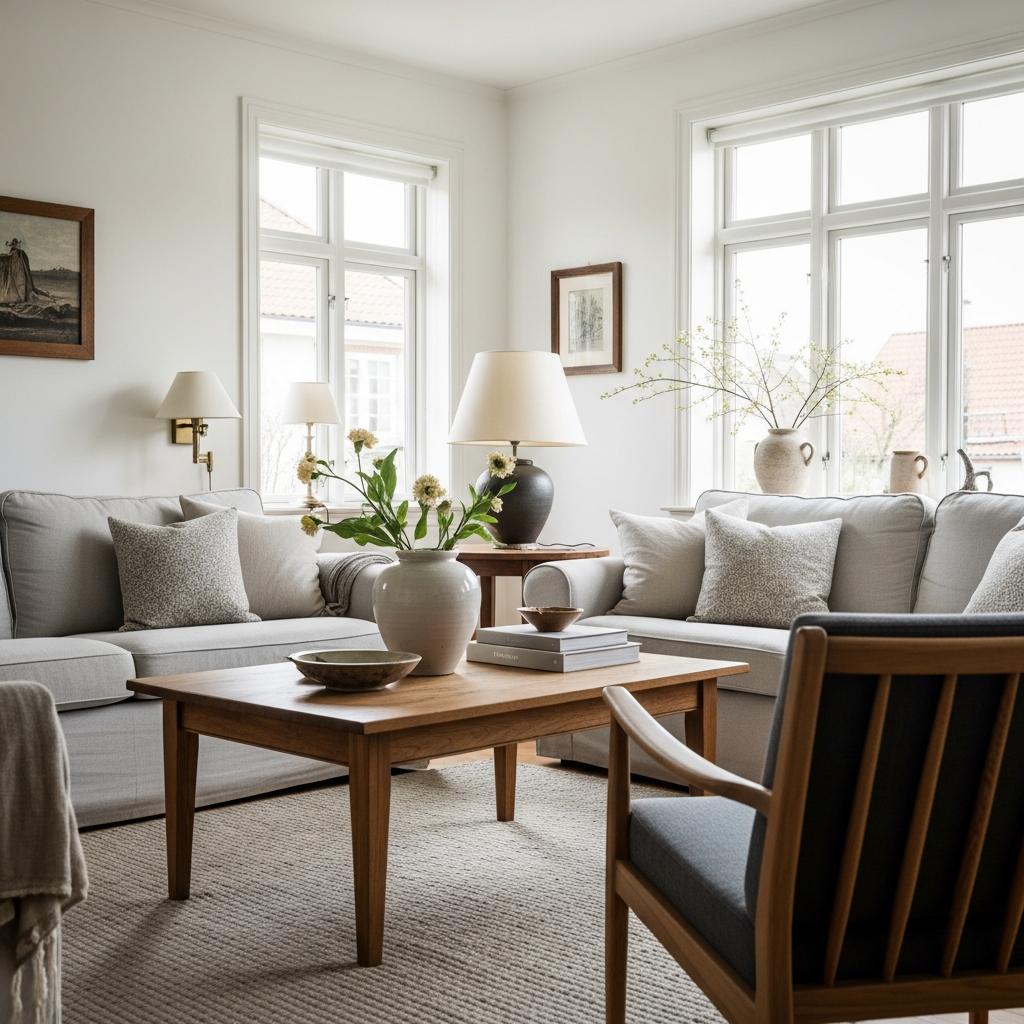
The all-white, stark minimalism of the 2010s is firmly in the rearview mirror. What’s replaced it is something designers are calling warm minimalism — clean lines and uncluttered spaces, but with texture, warmth, and organic materials softening the look. Think white oak floors instead of gray laminate. Limewash walls instead of flat white paint. Linen curtains instead of bare windows.
The principle is simple: reduce visual clutter without making the space feel sterile. Rooms should feel calm, not clinical. This approach works across every style from modern to traditional, which is why it’s lasting rather than flaming out like a typical trend.
Kitchens Are Getting Quieter
The showpiece kitchen with contrasting island colors, statement backsplashes, and open shelving has peaked. The kitchens getting attention now are more restrained. Consistent cabinetry colors throughout. Backsplashes that complement rather than contrast. Concealed appliances where possible. The goal is a kitchen that feels like part of the home rather than a separate showroom.
Hardware is getting simpler too. Oversized pulls and mixed metals are giving way to streamlined handles or even push-to-open cabinetry. The less visual noise in the kitchen, the more timeless it reads.
Arches and Curves Aren’t Going Anywhere
Arched doorways, curved furniture, and rounded edges entered the mainstream a few years ago and have settled into a permanent spot in residential design. They soften angular architecture and add visual interest without complexity. An arched hallway opening or a curved kitchen island creates a focal point that feels intentional without screaming for attention.
Outdoor Rooms Are Standard Now
Covered patios, screened porches, and outdoor kitchens have moved from luxury to expected. Homeowners treat outdoor spaces as genuine living areas, with weather-resistant furniture that looks like indoor pieces, permanent lighting, and year-round usability through heaters or fans. If you’re designing or renovating, investing in outdoor living space consistently adds more perceived value than equivalent square footage indoors.
The Paint Color Question
Every year someone asks what the trendy paint color is. The timeless answer hasn’t changed: warm whites, soft greens, and earthy neutrals always work. They complement natural materials, photograph well, and don’t fatigue the eye after six months. If you want to add color, do it with furnishings and art that can be swapped easily — not with the walls.
Bold wall colors have their place, but they commit you to a look that may feel dated within a few years. A warm white wall with a colorful piece of art is flexible forever. A deep teal accent wall is exciting for exactly one year.
The through line in everything that lasts: simplicity, natural materials, and restraint. Build the bones of your home with things that age well, and let the temporary stuff — pillows, art, accessories — carry the personality you can change whenever you want.


Leave a Reply